Your ontology is your
organization’s DNA.
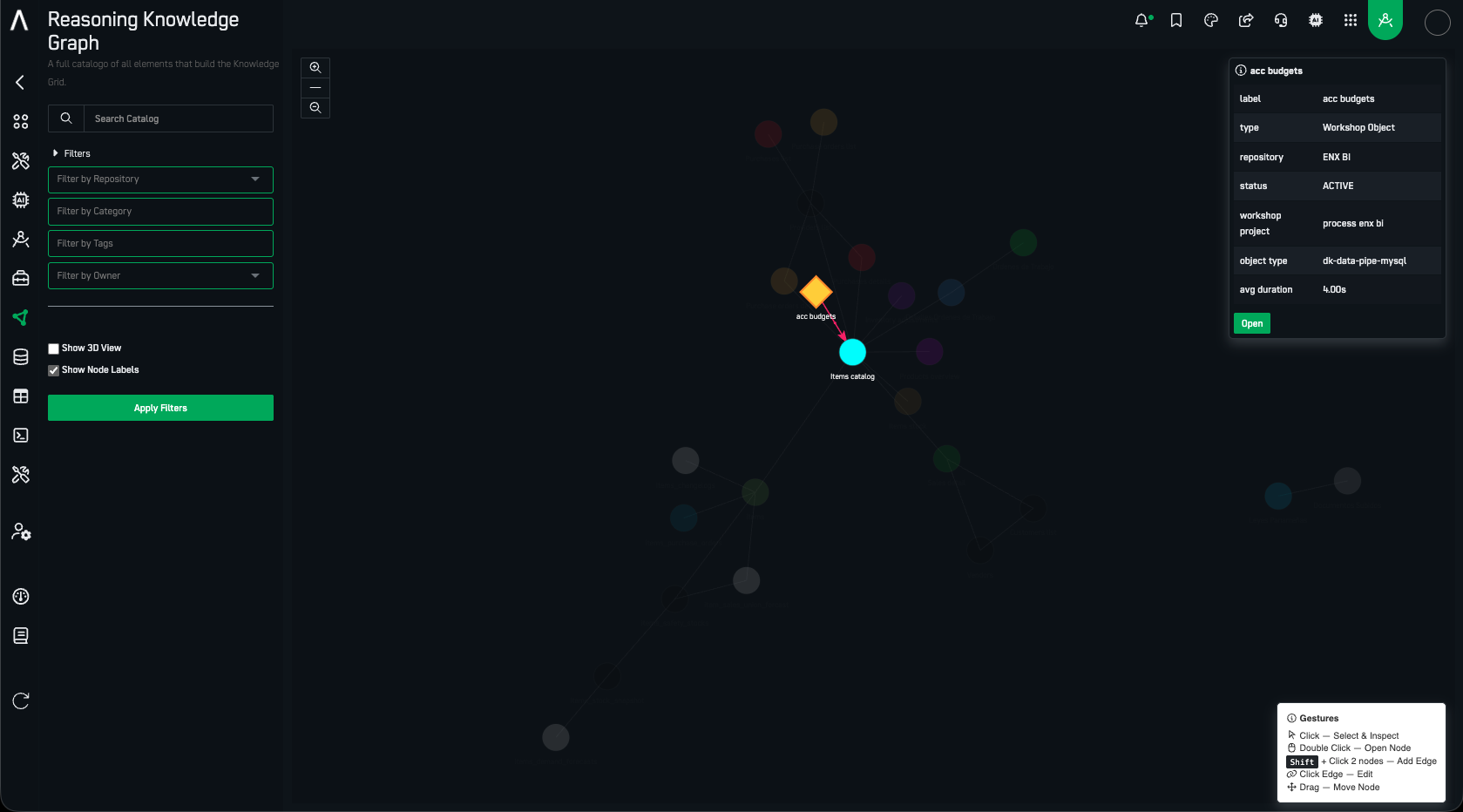
A complete knowledge layer built above your data reflection. It defines how your organization infers meaning from data to generate value: your entities, your rules, your criteria, encoded as living, governed objects.
How your data becomes value.
A complete layer above your data
Not labels on tables. The ontology creates your business entities as first-class nodes above the data reflection: live or cached per node, synchronized with your source systems in both directions, in real time.
How you infer value
Definitions, calculations, and relationships encode the way your organization reasons: how a customer is valued, when an order is at risk, what margin really means.
Governed as it grows
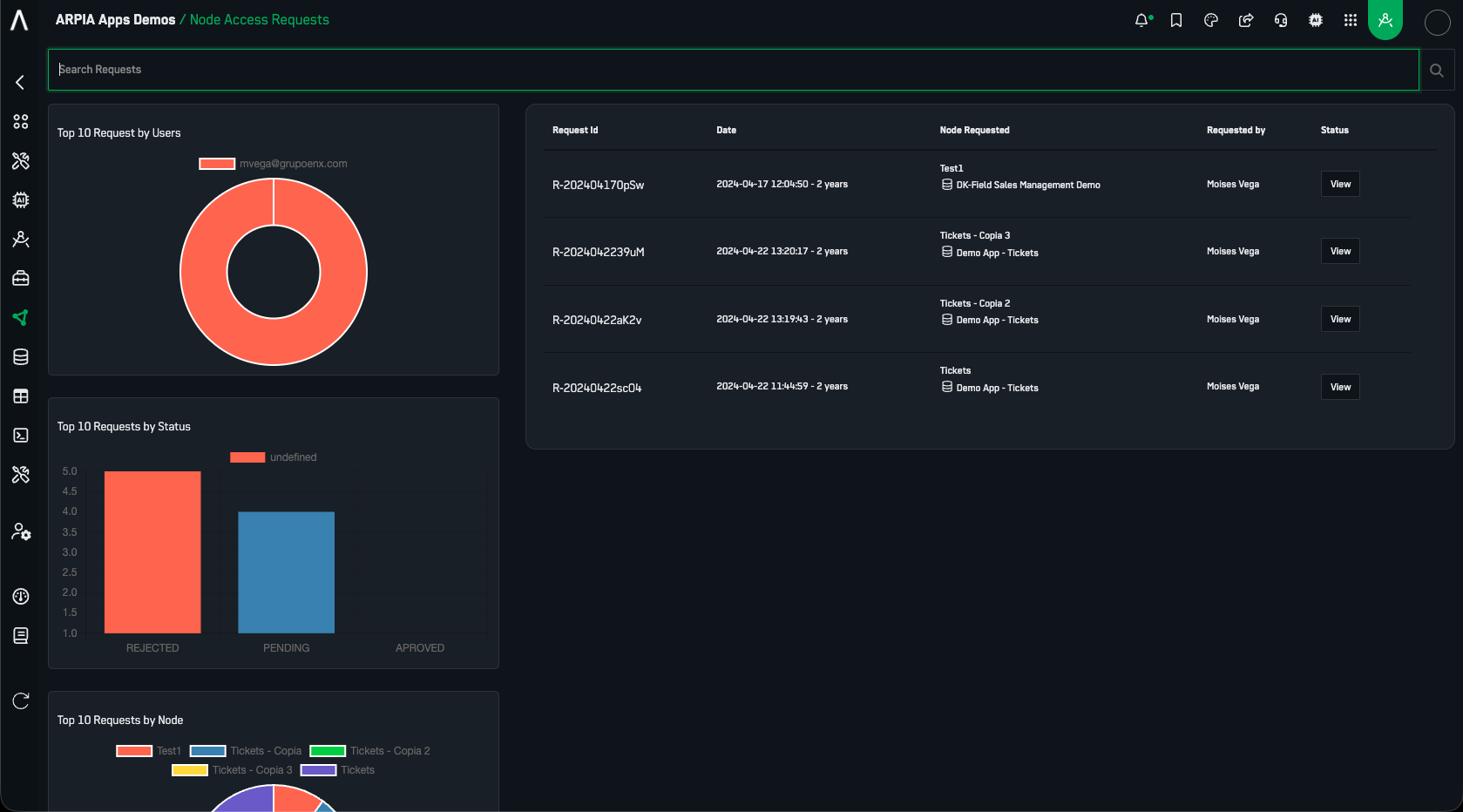
Policies, approvals, and identity are wired into the same layer. Every definition has an owner and an audit trail while the graph evolves and compounds.
Semantic layers describe.
ARPIA operates.
A typical semantic layer
- Describes what tables mean
- A read-only catalog beside your stack
- Documentation humans consult
- Drifts as systems change
The ARPIA ontology
- Creates business objects you operate
- Read and write through governed actions
- The working interface for humans, agents, and apps
- Live, two-way sync with your sources
If AI can only read descriptions, it advises. When it works through governed objects, it executes. That is the difference between a catalog and an engine.
Why the ontology comes first.
- AI without your context produces generic answers. The ontology gives it your definitions, your calculations, your source of truth.
- Two companies with the same data infer different value. The ontology encodes your way, and that is the advantage AI amplifies.
- Every rule has an owner and an approval trail. When a definition changes, you know who changed it and why.
- AI agents and applications read and write through governed nodes and actions. Your low-code workflows keep direct table access when you choose it.
- Federated nodes share governed knowledge across teams and trusted organizations.
What does your organization know that your AI doesn't?
Bring one business definition your teams argue about. We will show you how it becomes a governed, queryable rule.